Emergency Dentist Beverly Hills for Holiday and Weekend Dental Issues
@dallasxxlx032
October 1, 2026 · 15 min read
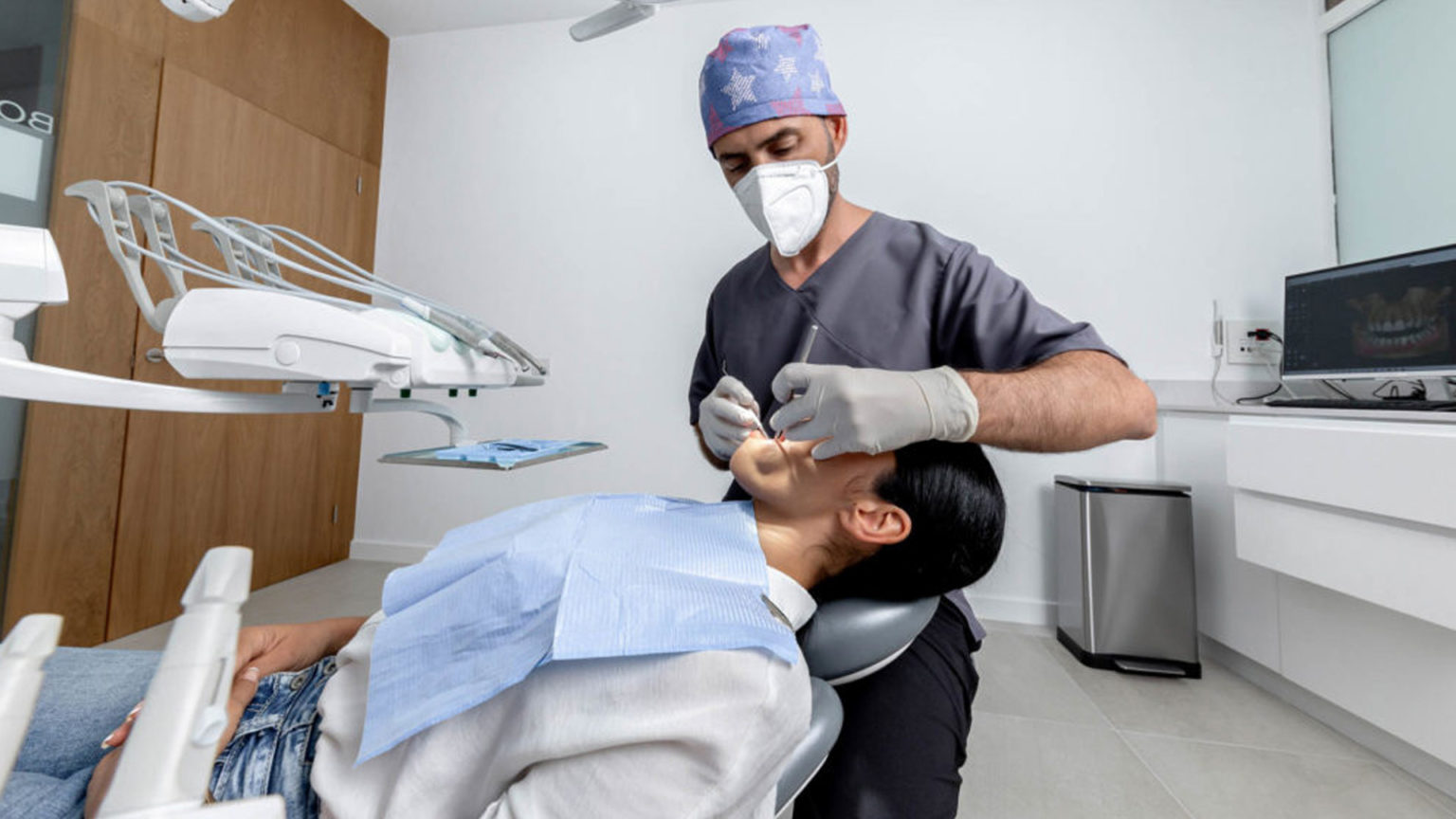

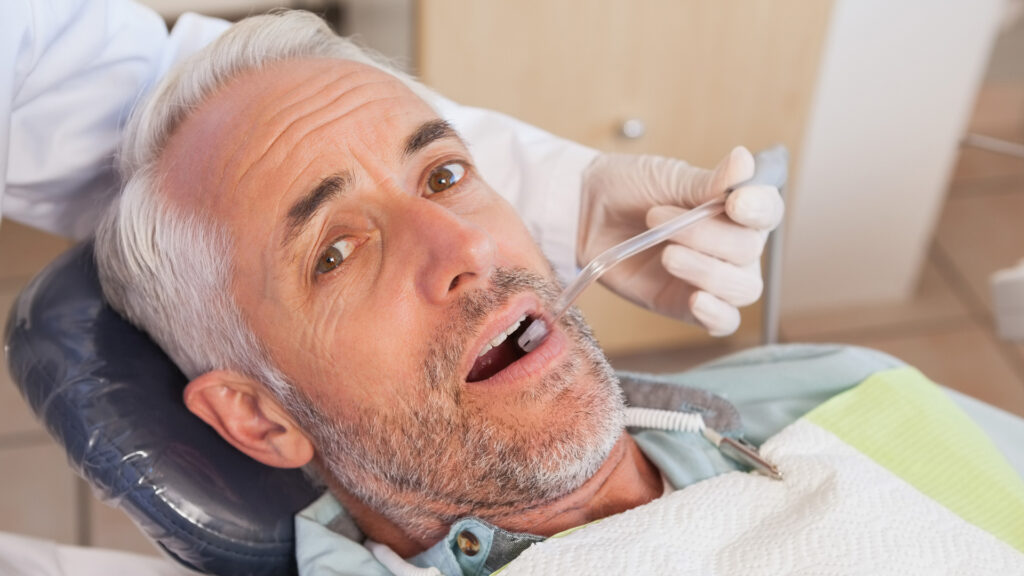
Dental problems have a talent for showing up at the worst possible time. A crown loosens during a holiday dinner. A child chips a front tooth on a Saturday afternoon. A dull ache that seemed manageable on Friday turns into throbbing pain by Sunday morning. When regular offices are closed, small problems can escalate quickly, and what felt inconvenient at noon can feel unbearable by evening.
That is why access to an Emergency Dentist Beverly Hills matters so much during weekends and holidays. Dental emergencies do not follow business hours, and the right response in the first hour often determines whether a tooth can be saved, whether pain can be controlled, and whether a minor repair becomes a larger and more expensive treatment.
People often underestimate how fast oral problems Emergency Dentist Beverly Hills can change. I have seen a cracked molar that was merely sensitive at breakfast become impossible to chew on by dinner. I have also seen the opposite, where a patient assumed a front tooth fracture was cosmetic only, only to discover the nerve was exposed and infection was already starting. Timing matters in dentistry more than many patients realize.
Why holiday and weekend dental issues feel more urgent
Part of the problem is practical. During a weekday, patients can usually call their general dentist, rearrange their calendar, and find help within a few hours. On a holiday weekend, there may be fewer options, longer wait times, and understandable uncertainty about whether the situation is truly urgent.
Part of it is also behavioral. People tend to push through discomfort when they are hosting family, traveling, attending events, or trying not to disrupt plans. They take another pain reliever, avoid chewing on one side, or decide to wait until Monday. Sometimes that works. Often, it does not.
Food and activity patterns around holidays make matters worse. Hard foods such as nuts, brittle candies, and ice can fracture restorations or teeth. Sticky desserts can pull off a temporary crown. Travel can interrupt oral hygiene routines, and alcohol can dry the mouth, making already irritated tissues more uncomfortable. Children are out of school, sports and parties are common, and facial injuries rise with all that extra activity.
Even stress plays a role. Many adults clench or grind more during high pressure weeks, especially around family gatherings or travel. That can trigger jaw pain, crack fillings, or inflame teeth that were Emergency Dentist Beverly Hills already borderline.
What actually counts as a dental emergency
Not every dental problem needs same day care, but some absolutely do. The challenge is knowing the difference.
Severe tooth pain that wakes you up, swelling in the face or gums, bleeding that does not stop, trauma to the mouth, a knocked out tooth, or signs of infection deserve urgent evaluation. A broken crown, chipped tooth, or lost filling may or may not be emergent, depending on pain level, nerve exposure, and whether the tooth can still function safely.
A good rule is simple. If pain is intense, swelling is present, trauma has occurred, or normal eating and speaking are affected, it should be treated as urgent until proven otherwise. If a problem is mild and stable, it may wait briefly, but even then it should be assessed soon because “stable” can change overnight.
One common mistake is assuming that the absence of pain means the absence of risk. A fractured tooth can be painless at first. So can a dislodged restoration. If the tooth structure is exposed, bacteria have a direct path into deeper layers, and delay can turn a straightforward repair into a root canal or extraction.
The most common weekend and holiday emergencies
The cases that appear most often are remarkably consistent. Toothaches lead the list, particularly pain caused by deep decay, cracked teeth, or infected nerves. Lost crowns and bridges are close behind, especially after sticky or chewy meals. Chipped front teeth are common during family games, falls, and sports. Broken molars show up after hard candy, ice, popcorn kernels, and bone fragments in holiday meals.
Swelling is the situation that deserves extra caution. If a patient notices gum swelling, facial fullness, a bad taste in the mouth, or pain that pulses with pressure, infection is a real possibility. Dental infections rarely improve on their own. They need evaluation, and many need drainage, prescription medication, or definitive treatment of the tooth.
Children add another layer. Baby teeth can be injured in falls, but that does not make the injury trivial. Trauma to a baby tooth can affect the developing adult tooth beneath it. With permanent teeth, timing is even more critical. A knocked out permanent tooth has the best chance of survival when it is addressed quickly, ideally within about 30 to 60 minutes, though benefit can still exist outside that window.
When pain is more than pain
A toothache is one of the most misunderstood symptoms in medicine. Patients often describe it as “just sensitivity” or “a little pressure,” only to later find that the pulp, the living tissue inside the tooth, is badly inflamed or infected.
Pain that lingers after hot or cold exposure, pain that radiates to the ear or jaw, and pain that worsens when biting are all red flags. So is pain that comes in waves and then suddenly seems to stop. Many people take that as a good sign. Sometimes it means the nerve has died, which can reduce sensitivity briefly while allowing infection to spread deeper into bone and soft tissue.
Weekend treatment is often about stabilization. The immediate goal is to control pain, reduce infection risk, and preserve the tooth until definitive treatment can be completed if needed. That might mean smoothing a fracture, placing a sedative filling, re-cementing a crown, draining an abscess, prescribing medication, or beginning root canal therapy if the case and timing are appropriate.
What to do in the first hour
The first response at home matters. Panic leads to poor decisions, and dental problems are full of temptations to improvise in ways that make things worse. Superglue, aspirin placed directly on the gum, or aggressive attempts to force a broken crown back into place can create new injuries.
Here are the steps that help most before you reach an Emergency Dentist Beverly Hills:
- Rinse gently with warm water to clear debris and assess the area.
- Apply a cold compress on the outside of the face if swelling or trauma is present.
- Save any broken tooth fragment, crown, or restoration in a clean container.
- If a permanent tooth is knocked out, handle it only by the crown, rinse it briefly if dirty, and keep it moist in milk or saliva.
- Call for professional care promptly, especially if pain, swelling, or bleeding is significant.
Those five steps cover a surprising number of situations. They buy time without creating additional harm.
A few scenarios patients often face
A patient loses a crown while eating caramel at a holiday party. The tooth underneath is not painful, but it feels sharp and sensitive to air. This may not be life threatening, but it still deserves prompt care. Without the crown, the tooth can shift, crack, or become too sensitive for chewing. If the crown is intact, an emergency visit may allow it to be cleaned and re-cemented the same day.
Another patient wakes up with one side of the face swollen on a Sunday. The tooth had been “acting up” for weeks, but the timing never felt right to deal with it. This is the kind of case where delay can become dangerous. Swelling near the jaw, under the eye, or into the neck requires attention. Dental infections can spread beyond the tooth.
Then there is the family whose child chips a front tooth in a backyard fall on a holiday afternoon. Parents understandably focus on appearance first, but the immediate question is whether the fracture involves enamel only, deeper dentin, or the nerve. A small chip can often be polished or bonded easily. A deeper fracture may require more urgent protection to prevent pain and infection.
These cases are different in severity, but all benefit from quick, informed evaluation rather than hopeful waiting.
Why Beverly Hills patients often need flexibility
An Emergency Dentist Beverly Hills serves a patient population that often has demanding schedules, visible public roles, travel obligations, and high expectations for aesthetics. That changes the conversation. The emergency is not only about pain. It can also be about speaking comfortably at an event, avoiding visible damage before a holiday gathering, or stabilizing treatment before a flight.
A front tooth injury on a Friday evening carries emotional weight that a back molar chip does not. People notice every millimeter in the mirror. In those situations, the best emergency care balances function, biology, and appearance. It is not enough to simply stop the pain if the temporary repair looks poor or compromises the next phase of treatment.
There is also the issue of prior dental work. Beverly Hills patients often have veneers, implant restorations, ceramic crowns, cosmetic bonding, or complex bite adjustments. Emergency treatment has to respect that history. Re-cementing a crown is not just re-cementing a crown when the occlusion is finely tuned and the margins are highly aesthetic. It takes judgment to stabilize the problem without creating a second one.
What good emergency dental care looks like
The best emergency care is decisive without being reckless. It begins with diagnosis, not guesswork. Pain can come from decay, a crack, bite trauma, gum infection, sinus pressure, or even referred muscle pain. Treating the wrong source may provide temporary relief while the real problem worsens.
A sound emergency visit usually includes a careful history, targeted imaging when needed, a clinical examination, and a realistic plan. Sometimes the plan is definitive treatment that day. Sometimes it is a temporary but biologically smart measure designed to get the patient through a weekend safely.
Patients should expect direct answers to a few key questions. What is causing the pain? Can the tooth likely be saved? What needs to happen today, and what can wait? What are the risks if treatment is delayed? Those are the questions that reduce anxiety because they replace uncertainty with specifics.
Good emergency dentists also know when a case is beyond routine office management. Significant facial swelling, difficulty swallowing, fever, uncontrolled bleeding, or trauma involving the jaw may require hospital level care or specialist coordination. Recognizing that boundary is part of quality treatment.
Home remedies have limits
There is a place for temporary measures, but patients should understand what they can and cannot do. Over the counter pain relievers may dull symptoms for a few hours. A saltwater rinse can soothe irritated tissue. Dental wax can cover a sharp edge. Temporary filling material from a pharmacy may shield a lost filling briefly.
None of these treats infection, repairs a fracture internally, or restores a compromised nerve. A painful tooth does not become healthy because it becomes numb for the evening. A loose crown does not become stable because it stays in place through one dinner.
This matters because weekends create a false sense of acceptable delay. People think in terms of “just two days.” In dentistry, two days can be the difference between a simple recementation and a fractured root, between a localized gum swelling and a spreading infection.
How dentists decide whether a tooth can be saved
This is where experience shows. Saving a tooth is not always a yes or no issue. It depends on how much healthy structure remains, whether the crack extends below the gumline, whether infection has damaged the surrounding bone, and whether the tooth plays an essential role in the bite.
A tooth that looks terrible can sometimes be restored beautifully. A tooth that looks minor on the surface can be hopeless if the root is vertically fractured. That is why photographs sent by text are helpful for triage but not enough for final decisions.
In emergency settings, the immediate priority is usually preservation when preservation is realistic. That might mean splinting a loose tooth, sealing exposed dentin, reducing the bite on a cracked cusp, or initiating treatment that prevents bacterial invasion. Extraction is sometimes the right call, but it should be made from evidence, not frustration or convenience.
Practical signs you should not wait until Monday
Patients ask this question constantly, and the answer comes down to risk rather than annoyance. If you are deciding whether to seek care now, these signs generally tip the scale toward urgent treatment:
- swelling in the gums, face, or jaw
- severe or escalating pain, especially pain that keeps you from sleeping
- a knocked out, loose, or visibly displaced permanent tooth
- bleeding that continues after pressure is applied
- a broken tooth with sharp pain, exposed inner tooth structure, or difficulty chewing
None of those should be brushed off because the calendar happens to say Saturday or a holiday.
The cosmetic side of dental emergencies
Not every emergency threatens health in the short term, but that does not mean it is minor. Cosmetic damage can affect confidence, social comfort, and professional obligations immediately. A broken veneer, a chipped incisal edge, or a dark front tooth after trauma can feel urgent even when pain is absent.
A skilled emergency dentist knows how to stage treatment intelligently. Sometimes the best move is a refined temporary repair that restores appearance while protecting options for a more exact final restoration later. Rushing definitive cosmetic work into an inflamed or unstable situation can backfire. Tissues need to settle. Color can change after trauma. Nerve status can evolve over days or weeks.
Patients appreciate honesty here. A same day repair can often make the tooth presentable and functional, but the final ideal result may require a second step after the emergency phase has passed.
Special concerns during travel and holidays
Travel complicates dentistry more than people expect. Changes in routine, limited access to records, unfamiliar pharmacies, and upcoming flights all add pressure. If a patient develops pain before leaving town, it is almost always better to be evaluated before departure rather than hope the issue behaves during the trip.
Cabin pressure itself is not the root cause of dental pain, but pressure changes can intensify symptoms in teeth with hidden inflammation or leakage under restorations. I have seen patients board a plane with “mild sensitivity” and land with severe pain because an already irritated tooth became impossible to ignore.
Holiday timing also affects treatment choices. If a patient is leaving the next morning, the dentist may favor a robust temporary solution that minimizes the chance of deterioration away from care. That can be more valuable in the moment than a rushed definitive procedure under imperfect conditions.
Prevention is not glamorous, but it works
Most holiday emergencies are not random. They are postponed problems or predictable accidents. The cavity that flared up over the weekend usually gave some warning. The old crown that came off may have felt loose for months. The crack that split during dinner often started as occasional pain while chewing.
A pre holiday dental visit has real value, especially for patients with large restorations, a history of broken teeth, active grinding, or travel plans. Even a brief exam can identify a loose crown, deep decay, a failing filling, or a bite issue before it turns urgent.
Night guards deserve a mention too. People who grind during stressful periods often break teeth around the holidays and then call it bad luck. It is often biomechanics, not luck.
Finding the right help when timing matters
When choosing an Emergency Dentist Beverly Hills, speed matters, but so does judgment. An office that can see you quickly is important. An office that can correctly diagnose a cracked tooth versus an abscess, manage pain without masking the true issue, and protect both function and aesthetics is what actually solves the problem.
The best emergency care feels calm and efficient. You should come away knowing what happened, what was done, what comes next, and what warning signs would require immediate follow up. That clarity is part of treatment.
Holiday and weekend dental issues are disruptive, but they do not need to become disastrous. Fast action, sensible first aid, and prompt professional evaluation can preserve teeth, reduce pain, and keep a small crisis from becoming a much larger one. When the timing is bad, the response has to be good.
Dental Group of Beverly Hills
8641 Wilshire Blvd #125, Beverly Hills, CA 90211, United States
Phone: +1 (310) 929-6335
FAQ About Emergency Dentist Beverly Hills
What is considered to be a dental emergency?
Severe tooth pain, a knocked-out permanent tooth, a significant tooth fracture, or suspected dental infection needs prompt professional assessment. Contact a dentist to describe the problem and arrange appropriate care. Trouble breathing or swallowing, uncontrolled bleeding, or major facial injury requires immediate emergency medical attention.
How to tell if tooth pain is serious?
Pain that is severe, persistent, or accompanied by fever, facial swelling, or a bad taste should be assessed promptly by a dentist. The cause cannot be confirmed from symptoms alone. If swelling affects breathing or swallowing, call 911 or go to an emergency department.
What do I do if I have a dental emergency and no dentist?
Call a nearby dental practice that accepts urgent patients and explain your symptoms, when they began, and any recent injury. Ask about the earliest available assessment and what information to bring. For life-threatening symptoms, seek emergency medical care immediately instead of waiting for a dental appointment.