How to Respond to a Dental Emergency Before Seeing a Beverly Hills Dentist
@dallasxxlx032
October 1, 2026 · 15 min read
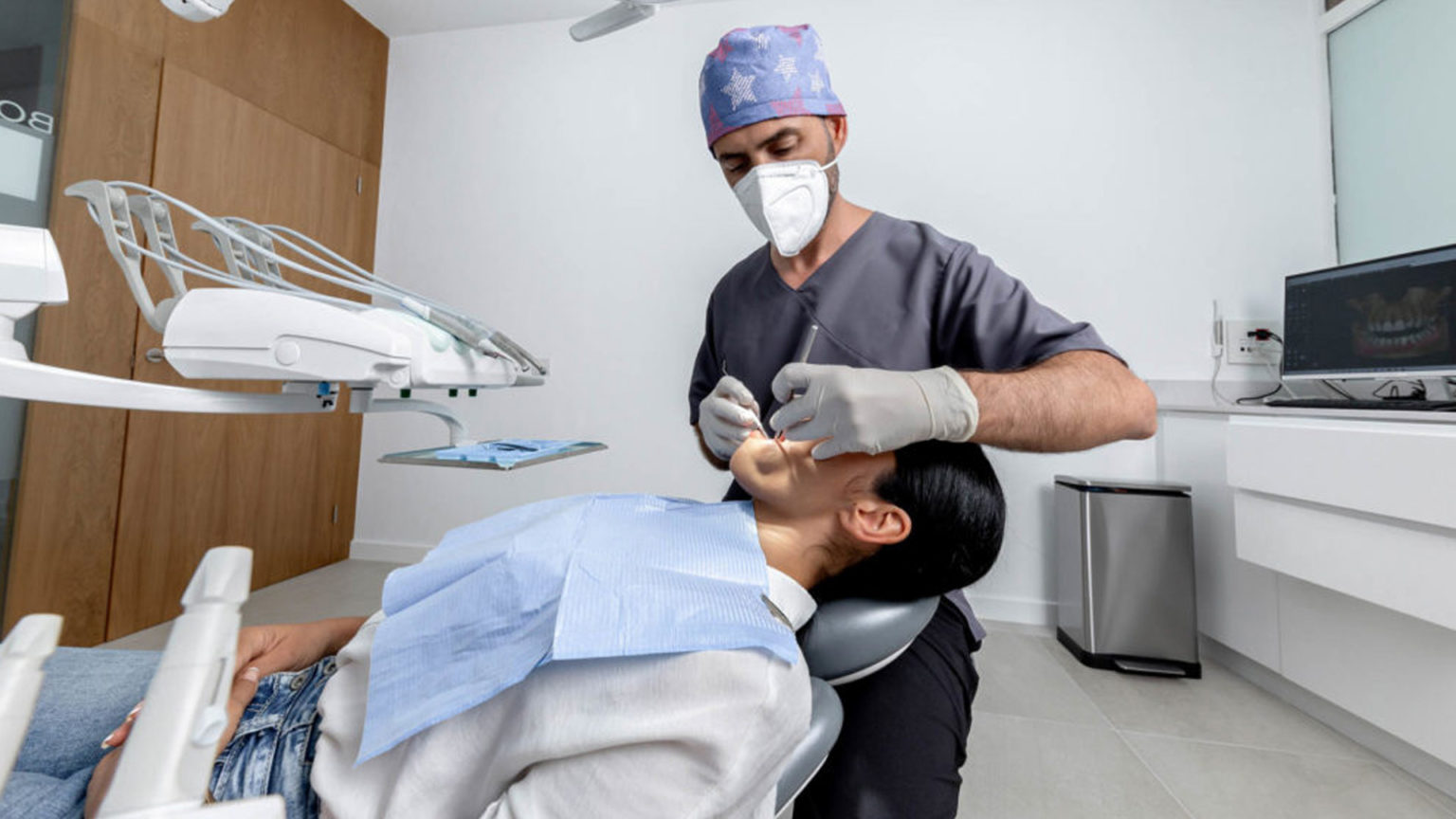

Dental emergencies have a way of disrupting ordinary life in a matter of seconds. One moment you are finishing lunch, heading to work, or getting ready for an event, and the next you are dealing with sharp pain, bleeding, swelling, or a tooth that no longer looks or feels right. The first response matters. It will not replace professional care, but it can reduce pain, limit damage, and improve the chances of saving a tooth.
People often underestimate how much can change in the first thirty to sixty minutes after a dental injury. A knocked-out tooth dries quickly. A cracked molar can split further if you keep chewing on it. A spreading infection can turn from a painful nuisance into a serious health issue. Knowing what to do before you reach an Emergency Dentist Beverly Hills practice can make the difference between a straightforward repair and a far more complex treatment.
What follows is practical guidance based on the kinds of emergencies dental teams see every week. The goal is simple: help you stay calm, avoid common mistakes, and protect your mouth until a dentist can examine you properly.
First, figure out what kind of emergency you are dealing with
Not every dental problem carries the same level of urgency. A lost filling is not the same as a tooth knocked out in a fall. Mild sensitivity after cold water is not the same as facial swelling with fever. The challenge is that people in pain tend to either downplay symptoms or assume the worst. A calm assessment helps.
A true dental emergency usually involves one or more of the following: significant pain that does not ease up, uncontrolled bleeding, visible trauma to the teeth or jaw, sudden swelling, pus or a bad taste suggesting infection, or a permanent tooth that has been loosened, displaced, or completely knocked out. Difficulty swallowing, trouble breathing, rapidly spreading swelling, or trauma affecting the face and jaw moves beyond routine dental urgency and can require emergency medical attention immediately.
If there is any question about whether the problem can wait, call a dental office right away. A good emergency team can often tell from a brief description whether you should come in at once, monitor at home for a few hours, or go straight to an emergency room.
The first ten minutes matter more than most people realize
The early response is usually less about treatment and more about protection. Your priorities are to control bleeding, preserve any damaged tooth structure, reduce contamination, and avoid making the injury worse. Panic tends to produce bad decisions, especially when pain and blood are involved. I have seen people scrub a knocked-out tooth with toothpaste, place aspirin directly on the gums, or keep biting on a broken side because they assumed they could “push through” until their appointment. Those choices often create bigger problems.
Start with a clean rinse. Plain water is fine if that is what you have. If bleeding is present, apply firm but gentle pressure with clean gauze or a folded cloth. If swelling begins quickly, a cold compress on the outside of the cheek helps. Keep your head elevated rather than lying flat, especially if the area is throbbing or actively bleeding.
One detail people miss is that pain can cloud judgment about the extent of the injury. A tooth that “just feels chipped” may actually have a fracture extending below the gumline. A lip that seems swollen from impact may be hiding a tooth fragment embedded in the tissue. If the injury followed a fall, sports accident, or hit to the face, look carefully and do not assume the visible damage is the only issue.
What to do if a tooth gets knocked out
This is one of the most time-sensitive dental emergencies. If a permanent tooth is completely knocked out, the best outcomes usually happen when it is handled correctly and reimplanted quickly. Minutes matter.
Hold the tooth by the crown, which is the part you normally see in the mouth. Do not touch the root if you can avoid it. If it is dirty, rinse it gently for a few seconds with milk or saline if available, or clean water if nothing else is nearby. Do not scrub it. Do not wrap it in tissue. Do not let it dry out on a counter or in a pocket.
If you are able to do so without forcing it, place the tooth back into the socket and bite gently on gauze to hold it in place. If that feels unsafe or too painful, keep the tooth moist in a small container of milk or a tooth preservation solution if one is available. Saline works as a backup. Water is not ideal for long storage, but it is better than letting the tooth dry out completely for short transport.
Primary teeth, which are baby teeth, are different. They are generally not reinserted because of the risk of injuring the developing permanent tooth underneath. That is a point many parents do not know in the moment, and it is worth remembering.
When a tooth is chipped, cracked, or broken
Broken teeth cover a wide range. A tiny enamel chip with no pain is very different from a large fracture exposing the inner nerve. Both need evaluation, but the home response is not identical.
Rinse the mouth gently and save any pieces you can find. Sometimes fragments can be bonded back, particularly if the break is clean and recent. If the edge is sharp, a temporary dental wax from a pharmacy can prevent it from slicing the tongue or cheek. If you do not have wax, sugar-free gum can work as a short-term barrier, though it is not as clean or reliable.
What matters most is avoiding pressure on the damaged tooth. People often worsen cracks by testing them with repeated biting, tapping them with a finger, or chewing on the opposite side so awkwardly that they still strike the injured area. A cracked molar may survive nicely with prompt treatment, but if you continue eating on it for the rest of the day, a manageable fracture can become a split tooth with a very different prognosis.
Temperature sensitivity can also be a clue. A brief zing to cold air may suggest a superficial break. Lingering, deep pain with heat or cold often points to pulp involvement, which generally means more urgent treatment.
Managing a severe toothache before your appointment
A severe toothache is one of the most common reasons patients seek an Emergency Dentist Beverly Hills office, and it is also one of the most misunderstood. Tooth pain can come from decay, infection, a cracked tooth, an exposed root, a failed filling, gum disease, or even clenching and grinding. The pain pattern offers hints, but it does not give a final diagnosis.
At home, rinse with warm salt water if it feels soothing. Floss carefully around the painful tooth because sometimes trapped food creates intense pressure that resolves once removed. Use an over-the-counter pain reliever as directed on the label, assuming you have no medical reason to avoid it. Keep in mind that topical pain products and home remedies can irritate soft tissue and rarely solve the actual problem.
One common mistake deserves a direct warning: do not place aspirin directly on the gum or tooth. It can burn the tissue and create a second injury on top of the first. Another mistake is taking more medication than the label allows because the pain feels “dental rather than medical.” The body does not make that distinction, and overdose risk is real.
Pain that wakes you from sleep, intensifies when you lie down, or comes with swelling often signals inflammation or infection inside the tooth. Pain with a pimple-like bump on the gum, bad taste, or drainage raises more concern for abscess. That situation should be seen promptly.
Swelling and infection are not problems to watch casually
A swollen jaw or cheek is not just about discomfort or appearance. Dental infections can spread through soft tissue spaces in the face and neck. Some remain localized and respond well to treatment. Others can become serious quickly, particularly if there is fever, fatigue, trouble opening the mouth, foul drainage, or increasing asymmetry over a few hours.
If the swelling is mild and you are waiting to be seen the same day, a cold compress on the outside of the face can help with comfort. Stay hydrated. Avoid pressing on the swelling or trying to drain anything yourself. That can drive bacteria deeper, increase irritation, and blur the anatomy your dentist needs to assess.
There are moments when a dental office is not enough and you need urgent medical care instead. Seek immediate emergency evaluation if you notice any of these:
- swelling that makes it hard to breathe, swallow, or speak normally
- fever with rapidly increasing facial swelling
- severe trauma with suspected jaw fracture or facial deformity
- uncontrolled bleeding that does not slow with steady pressure
- confusion, fainting, or signs of a more serious medical emergency
Those scenarios are not routine tooth problems. They need rapid attention.
What to do about a lost filling, crown, or bridge
These issues often feel less dramatic, but they can still turn into urgent pain if the exposed tooth is sensitive or structurally weak. A lost crown on a front tooth can also create an obvious cosmetic problem that patients want handled fast, especially in a place like Beverly Hills where public-facing work, events, and photography are part of daily life for many people.
If a crown comes off, keep it. Rinse it gently and store it in a clean container. Sometimes it can be recemented if it is intact and the underlying tooth has not changed much. Avoid chewing on that side. If the exposed tooth is sensitive to air or temperature, a temporary dental cement from a pharmacy may offer short-term protection. It is far better than household glue, which should never go in your mouth.
Lost fillings leave a cavity exposed, and that can make the area sensitive to sweets, cold, and pressure. Temporary filling material can help for a day or two until you are seen. Soft foods are your friend here. Crunchy bread, nuts, and sticky candy tend to make a bad situation worse very quickly.
If braces, wires, or appliances are causing injury
Orthodontic emergencies are a category of their own. They are not always dangerous, but a poking wire can make eating and speaking miserable. If a wire is irritating the cheek or gum, orthodontic wax is usually enough to tide you over. If a small elastic or removable appliance breaks, take it out if it is loose enough to become a choking hazard and keep all parts for your appointment.
People sometimes try to clip wires with household tools. That can work in very specific circumstances, but it also risks swallowing metal, cutting soft tissue, or shifting the appliance in ways that create more problems. Unless your dentist or orthodontist specifically tells you how to do it, cover the sharp area and get seen.
Bleeding gums after trauma need context
Bleeding can come from the gums, tongue, lips, cheeks, or the tooth socket itself. The source matters. A small cut inside the mouth can look dramatic because oral tissues bleed readily, but many minor lacerations stop with direct pressure. Bleeding from around a loose or displaced tooth is more concerning because it points to injury below the gumline.
A clean gauze pad held with steady pressure for fifteen to twenty minutes often works better than checking every minute to “see if it stopped.” Frequent lifting of the gauze disrupts clot formation. Ice on the outside of the face can reduce both swelling and oozing. If a lip or cheek was struck and swelling is significant, inspect carefully for tooth fragments in the tissue. Those are easy to miss in the moment.
If a patient takes blood thinners, bleeding may last longer than expected, and that changes the urgency. It is one more reason to mention all medications when you call the dental office.
Food, drinks, and habits to avoid while waiting
What you do in the hours before your visit can either protect the area or stir it up. It helps to keep the rules simple.
- choose soft foods and chew away from the injured side
- avoid very hot, very cold, hard, sticky, or sugary foods
- skip smoking and alcohol, which can irritate tissues and slow healing
- do not probe the area with fingers, toothpicks, or home tools
- take only the medication you can safely use as directed
That short list covers most preventable setbacks. I would add one more practical point from experience: cancel the casual “I’ll just wait and see after dinner” mindset if the pain is escalating. Delays late in the day often lead to rough nights and fewer treatment options by morning.
Children, older adults, and special situations
Dental emergencies do not look identical across age groups. With children, the challenge is often fear and incomplete communication. A child may say “my tooth hurts” when the real issue is a cut lip, a displaced baby tooth, or a jaw that now Emergency Dentist Beverly Hills feels strange when closing. If a child took a hard fall, check for changes in bite, speech, and behavior in addition to the obvious tooth injury.
For older adults, dental emergencies may be complicated by crowns, implants, dry mouth, medications, or reduced healing capacity. A broken tooth in a heavily restored mouth can be less straightforward than it appears. A loose denture or snapped partial may not sound urgent, but if it leaves sharp clasps or affects nutrition, it deserves timely care.
Patients with diabetes, immune suppression, heart conditions, or recent major medical treatment should be particularly cautious with signs of infection. The same swelling that might remain localized in a healthy adult can progress more quickly or pose greater systemic risk in someone medically vulnerable.
What to tell the dentist when you call
The quality of the initial phone call often shapes how fast and how well you are helped. A brief, accurate description lets the office triage properly. Mention when the problem started, whether there was trauma, the exact location of pain or swelling, whether a tooth is loose or out, and whether you have fever, bleeding, or trouble swallowing. If a tooth was knocked out, say so immediately and mention how it is being stored.
Photos can be surprisingly useful for visible swelling, broken front teeth, and displaced teeth. They do not replace an examination, but they can help the office decide how urgently you need to come in and what they should prepare for.
If you are looking for an Emergency Dentist Beverly Hills provider, speed is important, but so is capability. Not every dental office handles trauma, same-day extractions, root canal emergencies, or complex restorations in-house. Ask whether they can treat your specific issue promptly or whether they would refer you elsewhere after an initial exam.
Why “feeling better” does not always mean the problem is solved
One of the trickiest aspects of dental emergencies is that symptoms can fluctuate. Pain can ease when pressure drains from an infection, but the infection remains. A traumatized tooth can settle down for a day and then darken or die over the next few weeks. A chipped tooth may stop hurting once you avoid chewing on it, yet the crack may still be deepening.
That is why temporary relief should not be mistaken for recovery. Dentistry is full of situations where the mouth goes quiet before the real consequences show up. Follow-through matters. If the office advises an urgent exam, do not cancel because the tooth “seems okay now.”
A realistic timeline for getting help
If you are dealing with a knocked-out permanent tooth, major swelling, severe pain, or trauma, same-day evaluation is the standard target. Ideally, for avulsed teeth, you want help as fast as possible, often within the hour if circumstances allow. Less dramatic issues such as a lost crown or small chip may sometimes wait until the next business day, but that depends on symptoms and the condition of the underlying tooth.
Beverly Hills has the advantage of access to experienced cosmetic and restorative dentistry, which matters when appearance and function both need attention. A front tooth injury, for example, is not just about stopping pain. Shade matching, bonding quality, alignment, and long-term stability all matter. Immediate first aid protects those treatment options.
The calm approach that helps most
The best response to a dental emergency is rarely heroic. It is usually disciplined. Control bleeding. Protect the tooth or tissues. Avoid contamination. Do not improvise with risky home fixes. Call promptly. Get seen.
People often think emergency care is only about saving teeth. In practice, it is also about preserving choices. The better you manage the first stage of the injury, the more likely your dentist can offer conservative, effective treatment rather than a rescue plan for damage that worsened while waiting.
A dental emergency is stressful, but it becomes more manageable when you know what matters in those first minutes. If you act quickly and reach a qualified Beverly Hills dentist without delay, you give yourself the best possible chance of protecting your health, your comfort, and your smile.
Dental Group of Beverly Hills
8641 Wilshire Blvd #125, Beverly Hills, CA 90211, United States
Phone: +1 (310) 929-6335
FAQ About Emergency Dentist Beverly Hills
What is considered to be a dental emergency?
Severe tooth pain, a knocked-out permanent tooth, a significant tooth fracture, or suspected dental infection needs prompt professional assessment. Contact a dentist to describe the problem and arrange appropriate care. Trouble breathing or swallowing, uncontrolled bleeding, or major facial injury requires immediate emergency medical attention.
How to tell if tooth pain is serious?
Pain that is severe, persistent, or accompanied by fever, facial swelling, or a bad taste should be assessed promptly by a dentist. The cause cannot be confirmed from symptoms alone. If swelling affects breathing or swallowing, call 911 or go to an emergency department.
What do I do if I have a dental emergency and no dentist?
Call a nearby dental practice that accepts urgent patients and explain your symptoms, when they began, and any recent injury. Ask about the earliest available assessment and what information to bring. For life-threatening symptoms, seek emergency medical care immediately instead of waiting for a dental appointment.