Root Canal Beverly Hills: The Benefits of Early Diagnosis
@dallasxxlx032
November 27, 2026 · 15 min read
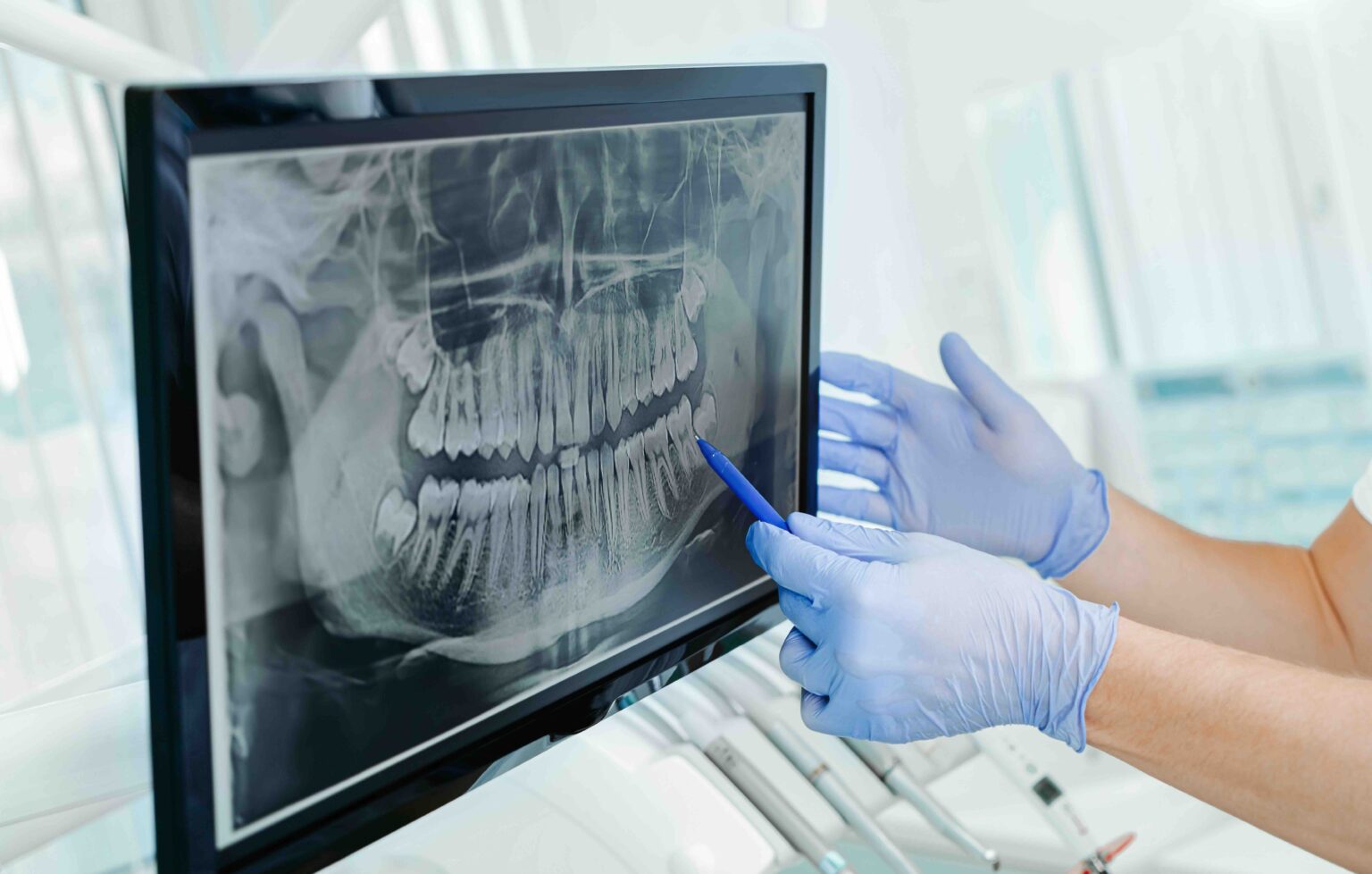

A root canal has an image problem. Patients hear the phrase and picture a long, painful appointment, a swollen face, and a week of regret. In practice, the story is usually very different, especially when the problem is found early. The earlier a tooth with nerve damage or deep infection is identified, the more predictable the treatment tends to be, the simpler recovery often feels, and the better the odds of saving the tooth for the long haul.
That point matters in every city, but it stands out in a place like Beverly Hills, where patients often pay close attention to both oral health and appearance. A tooth that starts with mild sensitivity can turn into a much larger issue if it is ignored. What begins as reversible inflammation can progress into a true infection inside the pulp, then spread beyond the tooth into surrounding bone and tissue. By the time severe pain arrives, the tooth has often been signaling trouble for weeks or months.
When people search for Root Canal Beverly Hills, they are often already uncomfortable. Some are dealing with lingering sensitivity to coffee or ice water. Others have pain that wakes them at night, or a pimple-like bump on the gums that seems to come and go. A few feel almost nothing at all and only learn there is a problem during a routine exam or on an X-ray taken for another reason. Those quiet cases are exactly why early diagnosis is so valuable. You do not need dramatic pain to have a tooth that needs attention.
What “early diagnosis” actually means
Early diagnosis does not mean a dentist is rushing to perform treatment at the first hint of discomfort. It means identifying the source of symptoms before damage becomes extensive. In endodontic care, timing changes everything. There is a significant difference between a tooth with mild pulp irritation and one with a fully infected root canal system and an abscess at the tip of the root.
The pulp is the soft tissue inside the tooth that contains nerves and blood vessels. When decay, repeated dental work, a crack, or trauma reaches that inner chamber, the pulp can become inflamed. At first, the irritation may be intermittent. Cold sensitivity may linger longer than it should. Biting might feel slightly off. A patient may describe the sensation as “not terrible, just annoying.” That is often the stage where a careful exam can catch the problem before it escalates.
Once bacteria have invaded deeper and the pulp begins to die, symptoms can intensify or, in some cases, strangely fade. People sometimes assume a tooth is getting better because the sharp pain stopped. In reality, the nerve may no longer be vital. Infection can then move through the canals and into the tissue around the root, causing swelling, bone loss, tenderness, or a gum boil. At that stage, treatment is still often possible and successful, but the road can be bumpier.
Why timing changes the entire experience
From a clinical standpoint, early diagnosis often improves three things at once: comfort, complexity, and prognosis.
Comfort is the first one patients care about, and understandably so. A tooth diagnosed early is less likely to be associated with severe facial swelling, pressure, or the kind of throbbing pain that makes concentration impossible. It is easier to numb a tooth and easier for a patient to sit through treatment when the infection has not advanced into a highly inflamed state. Most modern root canal procedures are well tolerated, but that becomes even more true when the tooth is addressed before it reaches crisis level.
Complexity is next. A straightforward root canal on a tooth with contained damage is a different scenario from a tooth that has sat with infection for months. Delayed cases may involve drainage, multiple visits, temporary medication inside the canals, or coordination with other restorative work if the tooth structure has broken down. If a crack extends below the gumline or the decay has destroyed too much of the crown, saving the tooth becomes less certain. Earlier intervention can preserve both the tooth and the options around it.
Prognosis follows naturally. Teeth treated before widespread infection or structural collapse generally have a better chance of functioning for many years, particularly when they are properly restored afterward with a filling or crown when indicated. Endodontic treatment has a strong success record, but success depends on more than the procedure itself. It depends on how much healthy tooth remains, whether the fracture risk is manageable, and whether the surrounding bone can heal predictably.
The subtle signs patients overlook
Not every root canal case announces itself dramatically. Some of the earliest signs are easy to rationalize away. Patients often mention that the tooth “only hurts with cold,” or “feels funny once in a while,” or “acts up when I chew on that side.” Those small clues deserve attention because they often point to a change inside the tooth rather than a passing irritation.
A classic example is lingering sensitivity. Many healthy teeth react briefly to cold. That alone is not alarming. The pattern becomes more concerning when the cold sensation is intense, localized to one tooth, and continues for several seconds or longer after the stimulus is removed. Heat sensitivity can also be significant, especially if warm drinks trigger pain that eases with cold water.
Another overlooked sign is pain on release when biting. Patients sometimes describe it as a sharp “zing” when letting go after chewing. That can suggest a crack, which is one of the more unpredictable pathways to root canal treatment. Cracked teeth are a good example of why early diagnosis matters. A small crack may be manageable. A deeper crack that extends into the root can become a reason the tooth cannot be saved.
Discoloration is another clue, particularly after trauma. A front tooth that darkens months after being bumped during sports or a fall may have lost vitality even if it does not hurt. In those cases, the absence of pain should not reassure anyone too much. Dead teeth can stay quiet while infection develops slowly near the root tip.
Then there are the patients with no symptoms at all. Dentists find these cases on routine radiographs more often than people realize. A dark shadow around the tip of a root, a deep cavity approaching the pulp, or bone changes near a previously injured tooth can all signal the need for prompt evaluation. Those findings may represent the best-case scenario for the patient, because the problem is identified before the body forces the issue with pain or swelling.
How dentists make the call
A diagnosis of “you need a root canal” should not come from guesswork. It usually comes from a combination of history, examination, and imaging. The process matters because several conditions mimic one another. Sinus pressure can feel like upper tooth pain. Gum disease can cause soreness that patients interpret as a toothache. Grinding can make teeth tender to biting without involving the pulp.
A thoughtful exam often includes thermal testing, percussion, bite testing, periodontal measurements, and radiographs. In some practices, cone beam CT imaging is used when the picture is unclear, especially in complex or retreatment cases. The goal is not just to identify a bad tooth. It is to determine whether the pulp is inflamed, infected, dead, or still capable of recovering with a more conservative approach.
That distinction protects patients. Not every sensitive tooth needs endodontic treatment. Sometimes a deep filling, a crown, adjustment of the bite, or management of grinding is the better answer. Early diagnosis is valuable partly because it expands the chance of conservative care when the pulp is irritated but not irreversibly damaged. Waiting too long narrows that window.
The real benefits of catching it early
Patients usually think first about avoiding pain, but the benefits run deeper than that.
Early diagnosis can preserve more natural tooth structure. A tooth that is treated before a large fracture or major decay spreads below the gumline is more likely to support a strong final restoration. Once the remaining tooth becomes too thin or compromised, the long-term outlook changes. Saving the root canal-treated tooth is not enough if the crown portion cannot be predictably rebuilt.
It can also reduce the chance of emergency visits. Dental emergencies have a way of showing up at the worst possible time: before travel, during a busy workweek, right before a wedding, or on a holiday weekend. People in high-demand professional lives know this pattern well. A low-grade issue that has been tolerated for weeks can flare overnight into swelling and intense pain. Addressing suspicious symptoms early is one of the best ways to avoid those situations.
Cost is another practical factor. Dentistry is not only about biology. It is also about timing and planning. A problem caught early may require a root canal and restoration. The same problem ignored for too long might end in extraction, bone grafting, implant placement, and a crown. That is a very different treatment arc, financially and biologically. There are cases where extraction is the right choice, but losing a tooth because diagnosis was delayed is rarely ideal.
There is also the matter of aesthetics. In Beverly Hills, appearance is not a superficial afterthought. It is part of daily life for many patients, both personally and professionally. Swelling, discoloration, broken tooth structure, and temporary spacing changes after extraction all affect appearance. Earlier treatment can often maintain a more seamless look, especially in the front of the mouth where even slight changes are obvious.
Why some people delay care
Delay does not always come from neglect. Often it comes from mixed messages. The pain fades for a few days, so the patient assumes the issue resolved. Or the discomfort only happens during meals, so it feels manageable. Some people are told years earlier that a tooth might “eventually” need treatment, and they carry that vague warning without knowing when “eventually” has arrived.
Fear is another major reason. Many adults remember older stories about root canals being miserable. Modern techniques, anesthetics, magnification, and instrumentation have changed the patient experience dramatically, but public perception has not quite caught up. Patients who finally come in after a sleepless night often say the same thing afterward: the anticipation was worse than the appointment.
Scheduling plays a role too. People with demanding calendars, frequent travel, or public-facing careers may push dental concerns aside because they do not want disruption. Ironically, early diagnosis is what offers the most control. A scheduled, calm visit is far easier than urgent care arranged around an infection that can no longer wait.
What treatment looks like when the problem is found early
When a tooth truly needs a root canal, the procedure is designed to remove inflamed or infected pulp, disinfect the internal space, and seal the canals to prevent reinfection. Patients are often surprised by how methodical and controlled the appointment feels. It is more precise than dramatic.
For Root Canal Beverly Hills early cases, the process is often more straightforward. The anatomy is easier to manage when the tooth has not been altered by extensive decay or previous failed restorations. There may be less drainage, less tissue breakdown, and less tenderness afterward. Some patients need only over-the-counter pain relief for a day or two. Many go back to work the same day, particularly if the treated tooth is not very inflamed beforehand.
The restoration after the root canal matters just as much. Posterior teeth, especially molars, commonly need crowns because they absorb heavy chewing forces and become more brittle after treatment. Front teeth are judged more case by case, depending on how much structure remains. This part of care is where early diagnosis pays off again. The more intact the tooth is at the start, the better the restorative choices tend to be.
A common scenario in everyday practice
One pattern comes up again and again. A patient has a deep filling done years earlier on a lower molar. Over time, the tooth starts reacting to cold. Not sharply, just enough to notice. Then chewing almonds or crusty bread becomes uncomfortable on that side. The patient avoids it for a month or two. There is a brief flare that settles down, so the concern gets postponed.
At the exam, the tooth tests with prolonged cold sensitivity and mild pain on biting. The X-ray may show a filling close to the nerve, but little or no visible infection at the root tip yet. This is often the sweet spot for diagnosis. The problem is real, but the surrounding structures are still in relatively good condition. Treatment can be planned without urgency, the tooth can usually be anesthetized comfortably, and the final prognosis is often favorable.
Compare that with the same patient waiting another six months. Now the cusp fractures, part of the filling breaks away, food packs into the area, and the gum becomes swollen. The treatment may still be possible, but it is no longer the same case. More structure is gone. The crack may be deeper. The patient is more uncomfortable, more anxious, and more likely to need additional care. The difference is not theoretical. It is the kind of shift dentists see every week.
Beverly Hills patients often ask about pain, time, and appearance
In a community where people value efficiency and presentation, three questions tend to dominate the conversation.
Pain is first. Patients want to know whether the procedure itself will hurt and whether they will look swollen afterward. With modern local anesthesia and careful technique, the procedure is typically comfortable. Swelling is not routine for a standard, timely root canal. It becomes more of a risk when active infection has already spread into surrounding tissues.
Time is next. Busy professionals often ask whether treatment can be completed in one visit. Sometimes yes, sometimes no. It depends on the tooth, symptoms, anatomy, and whether there is drainage or severe infection. Early diagnosis increases the chance of a simpler timeline, although no responsible dentist should promise a one-size-fits-all schedule.
Appearance matters most when front teeth are involved. Trauma-related root canal treatment on an upper incisor, for example, often raises questions about color changes and cosmetic results. Early care can help minimize complications, but these cases require judgment. Sometimes internal bleaching or a future veneer or crown becomes part of the conversation, especially if the tooth had darkened before treatment.
When a root canal is not the best option
Early diagnosis is not a sales pitch for root canals. It is a way to make the best decision while options are still open. Some teeth are too compromised by vertical fracture, severe bone loss, or decay extending too far below the gumline. In those cases, extraction may be more predictable and honest than heroic treatment that is unlikely to last.
That is another overlooked advantage of prompt evaluation. Patients can hear the full range of options before the situation becomes urgent. A calm discussion about prognosis, alternatives, timing, and long-term maintenance is very different from making a rushed decision when the face is swollen and the weekend is approaching.
If you are evaluating Root Canal Beverly Hills options, the quality of that judgment matters. A good clinician does not recommend endodontic treatment simply because the tooth hurts. They weigh restorability, periodontal support, crack patterns, bite forces, esthetic demands, and the patient’s larger plan for the mouth. Saving a tooth is usually desirable, but only when the result is sound.
The habits that lead to earlier diagnosis
The best root canal is often the one diagnosed before it turns into an emergency. That usually comes down to a few ordinary habits, not anything dramatic.
Routine dental exams matter because X-rays and vitality testing can catch changes before pain becomes severe. Prompt attention to cracked fillings, broken cusps, and deep cavities matters because those are common doorways to pulp injury. Paying attention to symptom patterns matters because a tooth that lingers with cold, wakes you at night, or hurts when chewing is not asking for indefinite observation.
Patients who do well long term tend to treat dental symptoms the way they treat persistent problems elsewhere in the body. They do not panic, but they do investigate. That middle ground is where early diagnosis lives.
Why this matters for long-term oral health
A natural tooth, when it can be predictably saved, is usually worth protecting. It helps maintain bite balance, chewing efficiency, speech, bone support, and comfort in a way that no replacement fully replicates. Root canal therapy is one of the procedures that makes that preservation possible. Its reputation should be tied less to fear and more to timing.
The earlier a damaged or infected tooth is recognized, the better the experience tends to be. There is often less pain, less structural loss, fewer surprises, and a clearer path to a durable result. For patients in Beverly Hills, where health, schedule, and appearance all carry weight, that timing can make an even bigger difference.
A small symptom is not always a small problem. Sometimes it is an early warning from a tooth that can still be saved cleanly and predictably. Root Canal Beverly Hills Listening to it early is often the smartest move.
Dental Group of Beverly Hills
8641 Wilshire Blvd, Suite 125
Beverly Hills, CA 90211
(310) 361-2835
FAQ About Root Canal Beverly Hills
What are the signs you need a root canal?
Persistent pain, lingering temperature sensitivity, or swelling can have several causes. A dentist can examine the tooth and decide whether root canal treatment is appropriate.
How much does a root canal usually cost in Beverly Hills CA?
Cost varies by tooth, complexity, insurance, and whether a permanent restoration is needed. Request an itemized estimate.
How long do root canals last?
A treated tooth can last many years with a suitable restoration and regular dental care. Its outlook depends on tooth condition, the seal, and follow-up care.